 Guide by Korol Natali
Modern Wigs
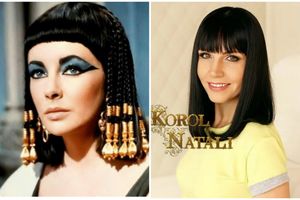
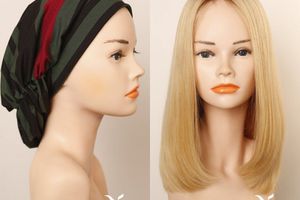
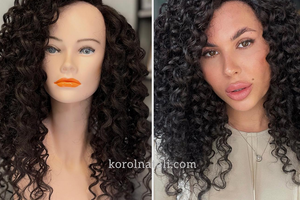
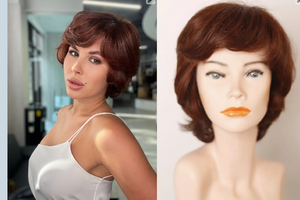
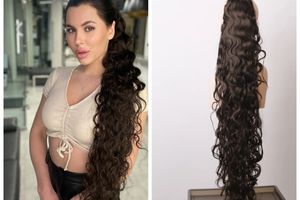
The wig industry is changing along with fashion and technology. The heavy, overly dense and "doll-like" models of the past have been replaced by light, natural-looking wigs that mimic the structure and behavior of real hair.
What has changed in recent years
Previously, density was considered the main sign of quality: the more hair, the better. Today, the trend is the opposite — women choose wigs with natural, moderate volume that look natural, rather than a solid hat of hair.
Base materials
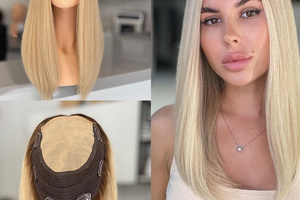
The choice of base materials has expanded. Thin monofilament, delicate lace, special elastic bands, silicone, and polyurethane — all of this allows you to choose a base that is invisible on the scalp and comfortable even for daily wear.
Coloring
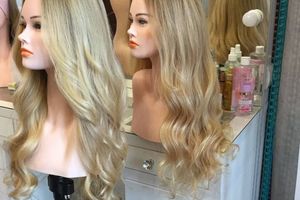
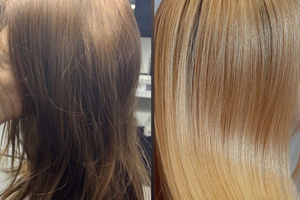
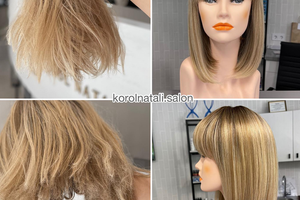
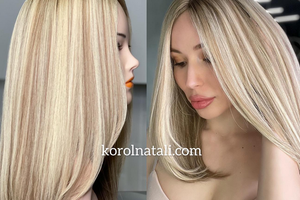
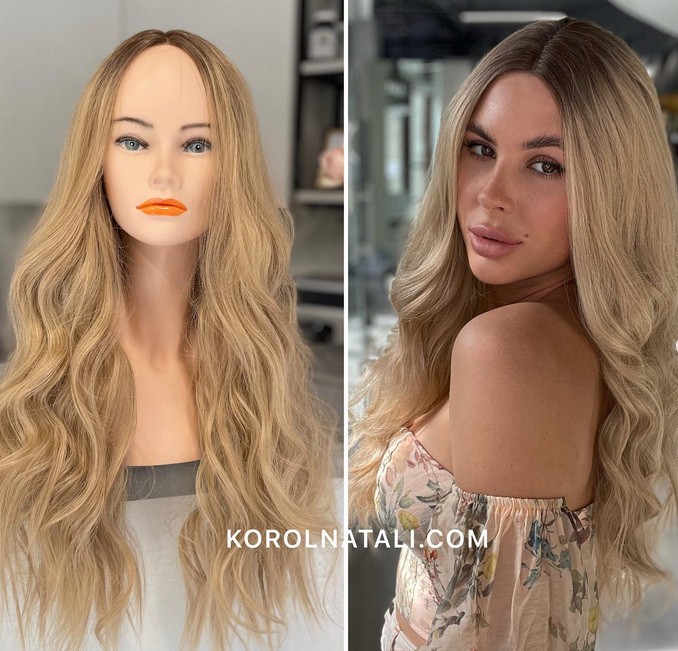
Previously, wigs were produced in a limited palette of basic shades. Now, thanks to modern dyes and processing technologies for synthetic fibers, the subtlest color transitions, highlights, bronde coloring, and other techniques that were once applied only to natural hair are available.
A wig as the basis for a look
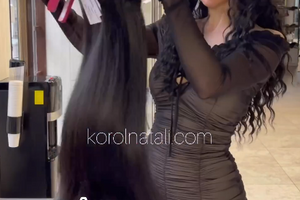
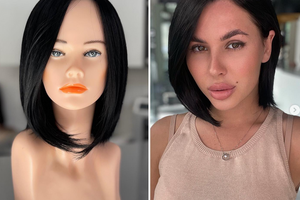
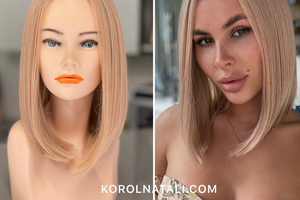
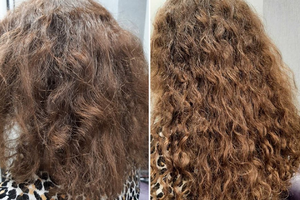
The main difference is that a wig is no longer a ready-made and unchangeable product. Today it is a foundation for a look: it can be cut to suit the face shape, styled, braided, toned, or dyed — if it is a natural human hair wig.
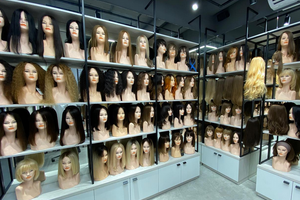
Several looks — not just one
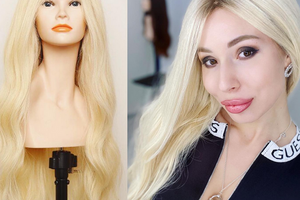
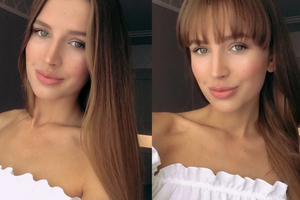
Today, society is much more open to changes in appearance, so there is no reason to limit yourself to a single look. Several wigs of different lengths, colors, or styles give you the freedom to change your appearance depending on your mood, event, or season — just like a wardrobe of clothes.