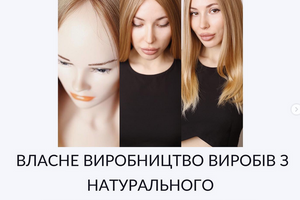
-
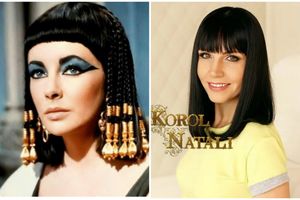
Origin: Ancient Egypt and Greece
-
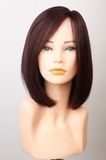
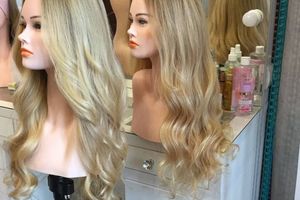
Materials: natural Slavic hair, kanekalon, lafin
-
Purpose: style change, protection, alopecia masking
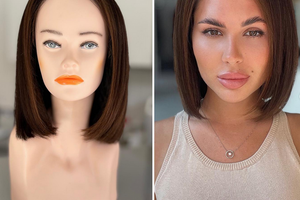
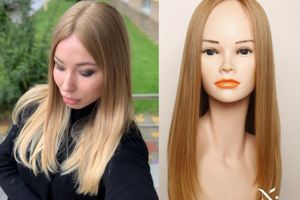
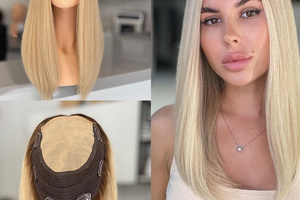
For the most natural look, choose products with a monofilament base. They are perfect for comfortable daily wear.
Wig Guide
Wigs: From Historical Luxury to Modern Style
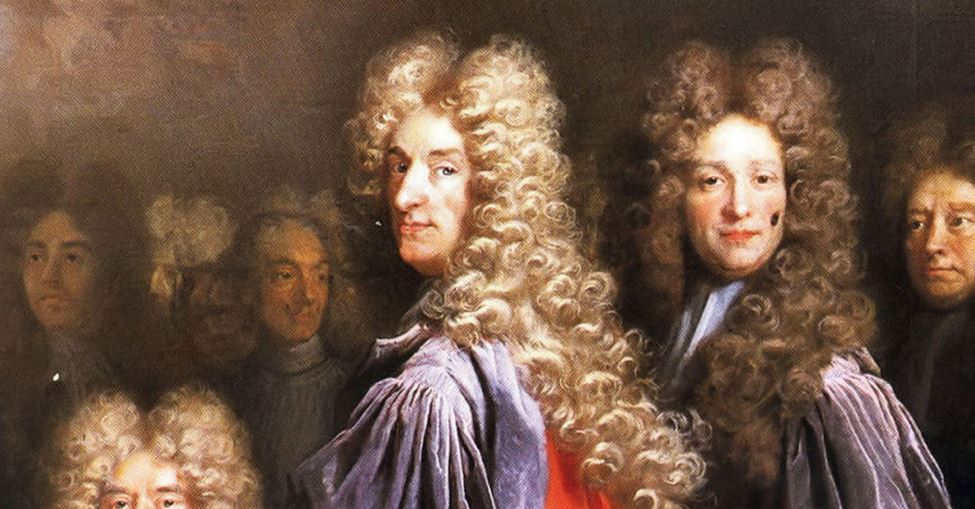
Wigs have accompanied humanity since the times of Ancient Egypt and Greece — back then they served as a status headdress and reliable protection.
Today, it is not just a practical accessory, but a real tool for self-expression. They are chosen for convenience, aesthetics, and an endless choice of options — from discreet classics to the most daring trendy looks.
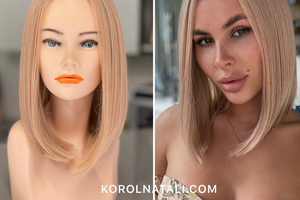
Whether you are looking for a way to radically change your image without harming your own hair, or need a delicate solution for medical reasons, a modern wig guarantees absolute naturalness.
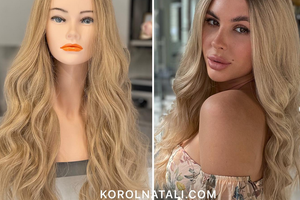
Innovative breathable bases and masterful handwork (in particular, the use of monofilament that imitates the scalp) make wearing it as comfortable and unnoticeable to others as possible.
A properly selected model can not only instantly refresh your appearance but also give you one hundred percent self-confidence. You can boldly experiment with length and shades, saving time on daily styling and preserving the health of your own hair.
The Evolution of the Wig: Through the Centuries to Modernity
The history of wigs is full of luxury and amazing facts. For example, the wardrobe of the Byzantine Empress Theodora included dozens of luxurious handmade items. In traditional Japan, the wig still remains an integral attribute of the refined image of a geisha. Modern production has taken a huge step forward: thanks to the combination of filigree handwork of masters and innovative technologies, everyone can afford an ideal wig today.
Types of Wigs: How to Choose Your Perfect Option
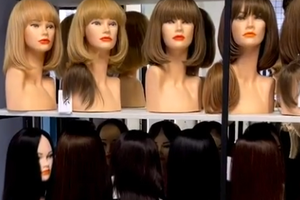
Modern products are made from natural hair, high-quality artificial materials, or a balanced combination of them. Each of these options has its unique advantages and purposes.
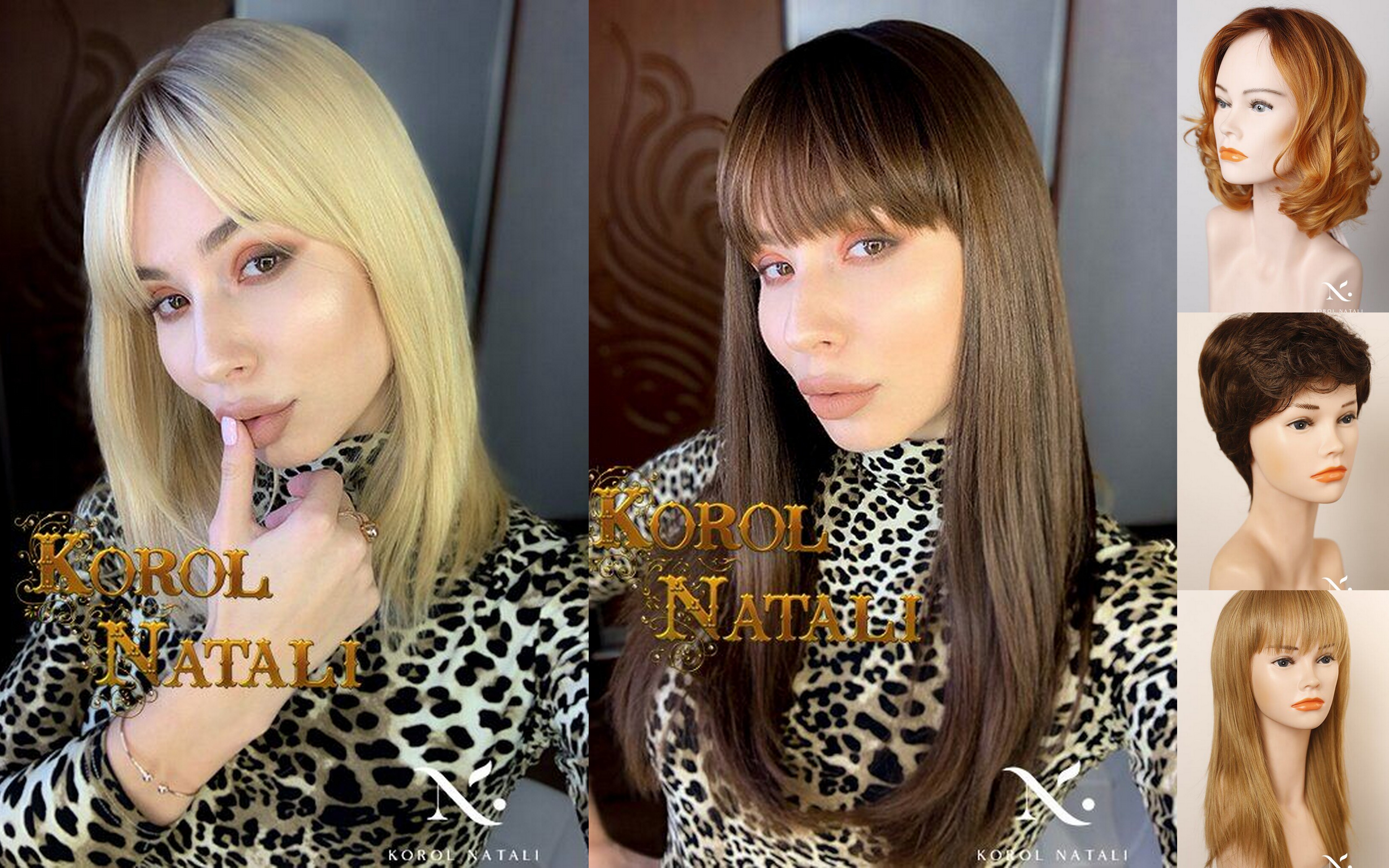
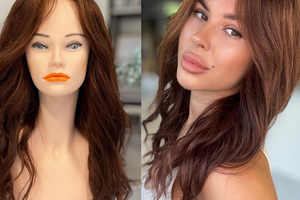
A premium option that looks as natural as possible and requires the same careful care as your own hair. The main advantage is complete freedom of action: you can change the color, style, or haircut (although complex image changes are best entrusted to a professional master).
Modern innovative fibers (such as kanekalon and lafin) imitate the structure of natural hair by 85%. They are light, strong, and hold their shape perfectly even after washing. Their shape is constant, so for a quick image change, it is convenient to have several different models in your wardrobe at once.
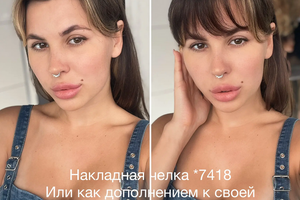
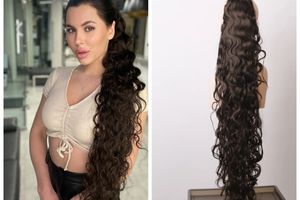
An elegant hair extension in the form of a ponytail, braid, or bun. An ideal solution for those who want not to replace their hairstyle, but to effectively complement it by adding volume.
An individually selected system that invisibly masks areas of alopecia. This is the optimal choice for men and women who value naturalness and the absolute invisibility of integration above all else.
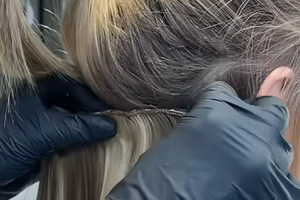
Easily and securely attach to your own hair using special comb-clips, instantly transforming the hairstyle and adding desired volume or length.
Application Areas of Wigs
Besides everyday comfortable wear, high-quality wigs are indispensable in the theater, the film industry, and in large stage shows — exactly where it is necessary to change the image quickly, spectacularly, and uncompromisingly.